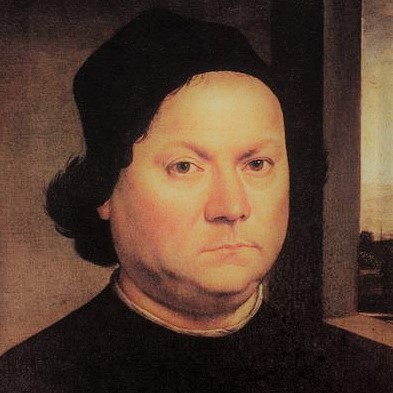
Andrea del Verrocchio, master Leonardo da Vinci, adalah tokoh penting dalam transisi dari seni Renaisans Awal ke Renaisans Tinggi. Beberapa lukisan dan pahatan karya Andrea
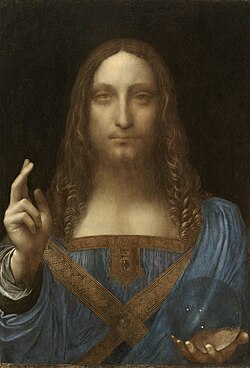
Seni lukis telah menjadi medium ekspresi yang mendalam dan menginspirasi selama berabad-abad, dengan karya-karya yang mencatat sejarah, emosi, dan keindahan. Di dunia seni yang dinamis
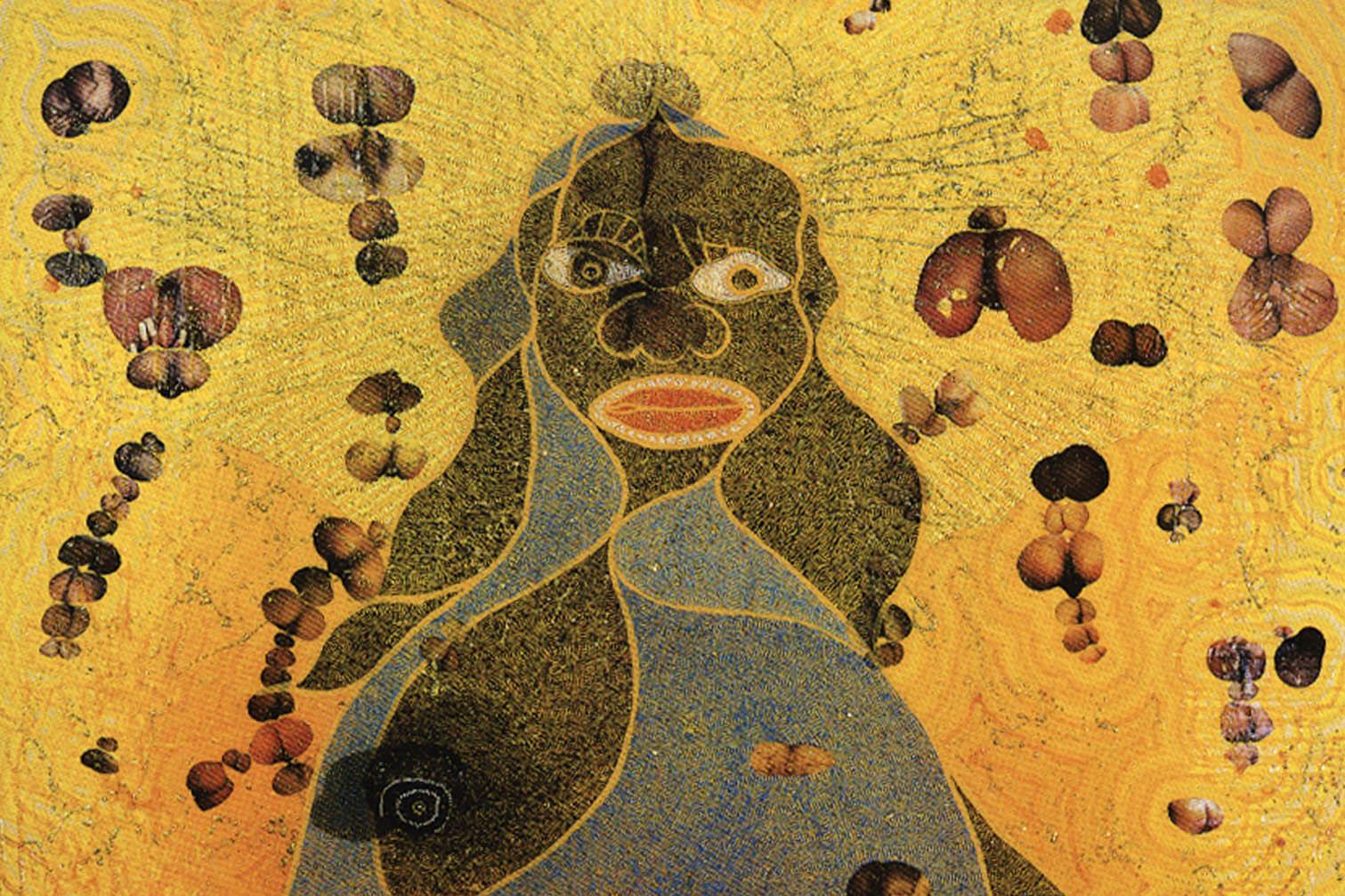
Seni adalah medium ekspresi yang memiliki kekuatan untuk membangkitkan perasaan, memicu refleksi, dan menggugah pikiran. Namun, tidak semua karya seni diterima dengan mudah oleh semua
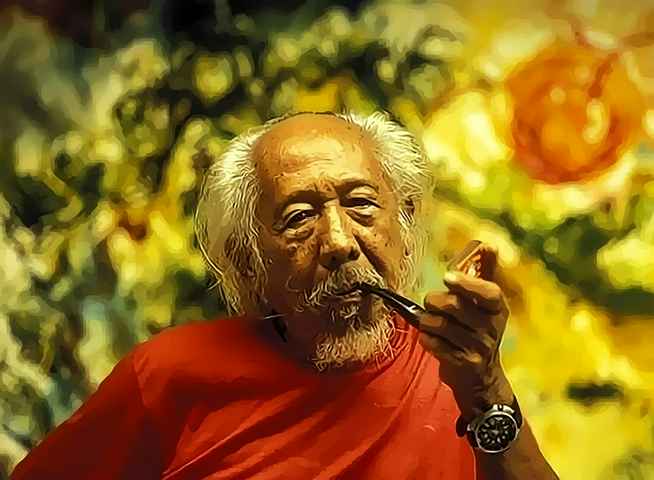
Indonesia, sebuah negeri yang terkenal dengan budaya yang beragam dan warisan yang kaya, merupakan tempat tinggal bagi beberapa seniman paling berbakat di dunia. Dunia seni
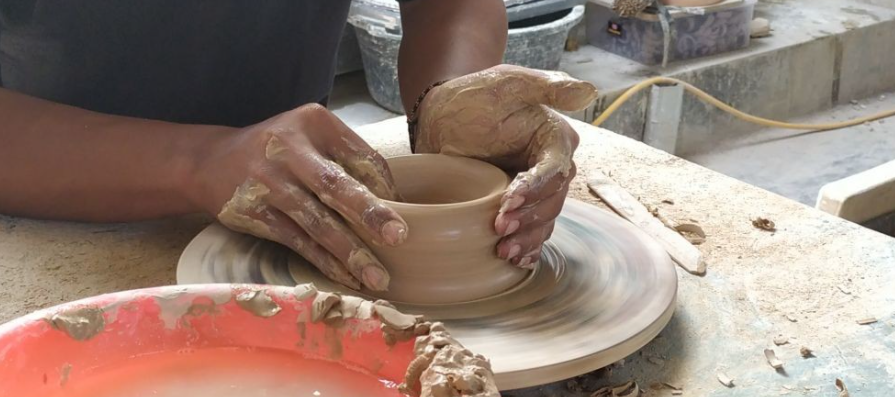
Indonesia memiliki beragam karya seni yang unik dan menakjubkan, dari seni rupa, seni musik, seni tari, hingga seni sastra. Berikut beberapa contoh karya seni Indonesia
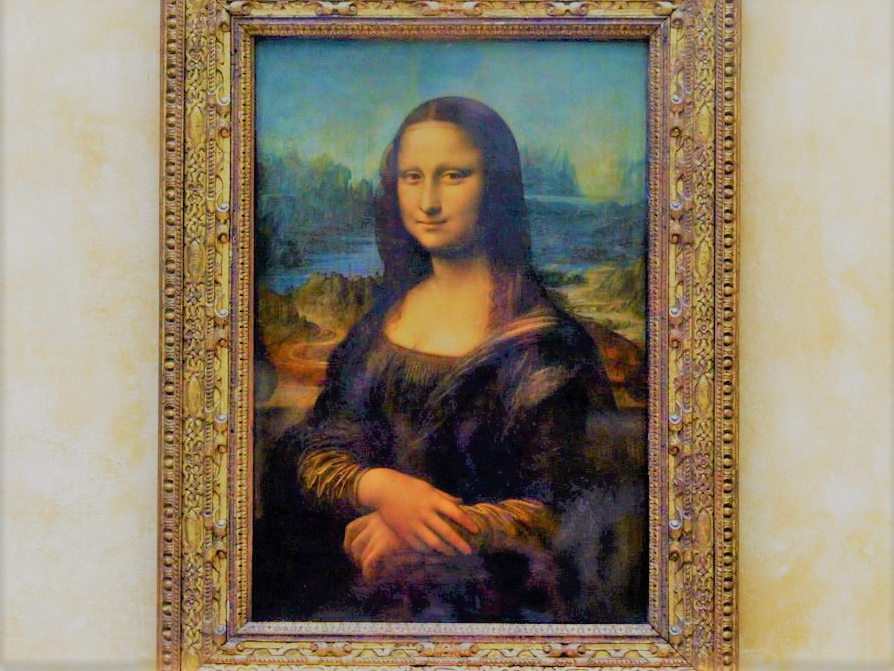
Leonardo da Vinci sebagian besar tetap terkenal sejak kematiannya 500 tahun yang lalu. Sayangnya, catatan tentang penjualan dan perdagangan karya-karyanya tidak selalu jelas atau akurat
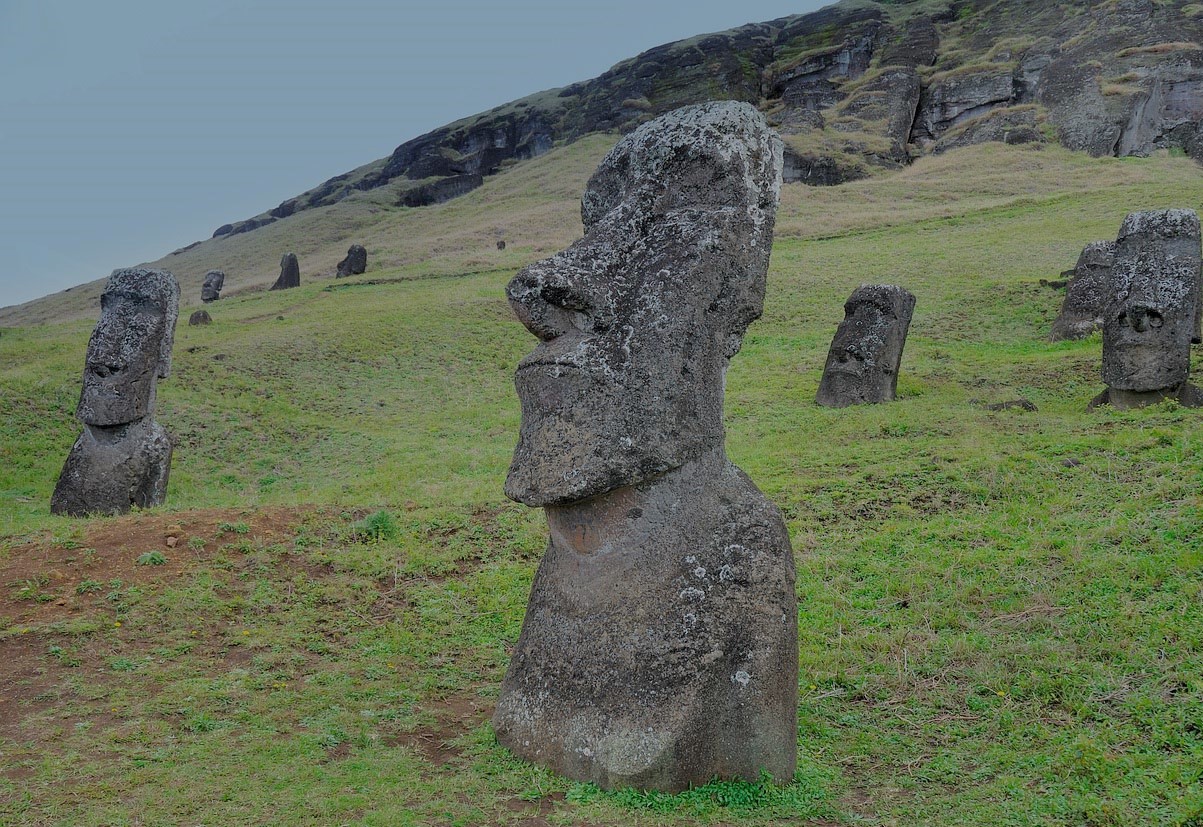
Patung adalah salah satu bentuk seni tersulit yang pernah diciptakan. Mereka dapat menggambarkan atau mewakili banyak hal, dari sejarah, tokoh, kebudayaan, dan banyak lagi. Beberapa
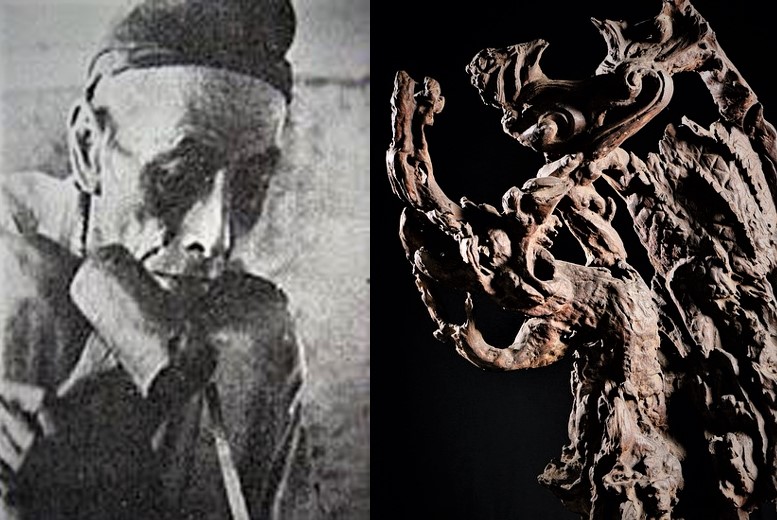
Seringkali sulit menemukan biografi pematung ternama Indonesia. Hal ini mencerminkan kurangnya apresiasi terhadap seni pahat Indonesia. Padahal, banyak cerita seniman yang bisa dipelajari dan bermanfaat,
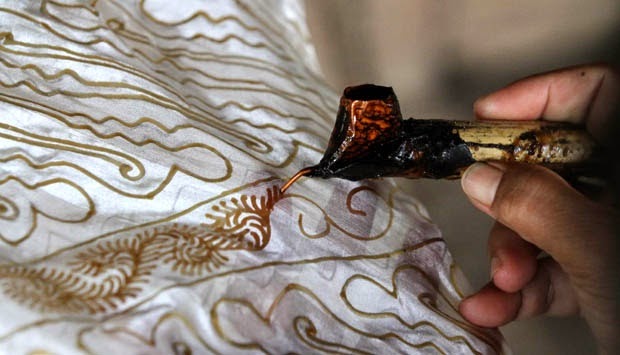
Indonesia bukan hanya salah satu negara terindah di dunia. Itu juga rumah bagi banyak praktik artistik yang menarik dan menarik. Dan lebih sering daripada tidak,
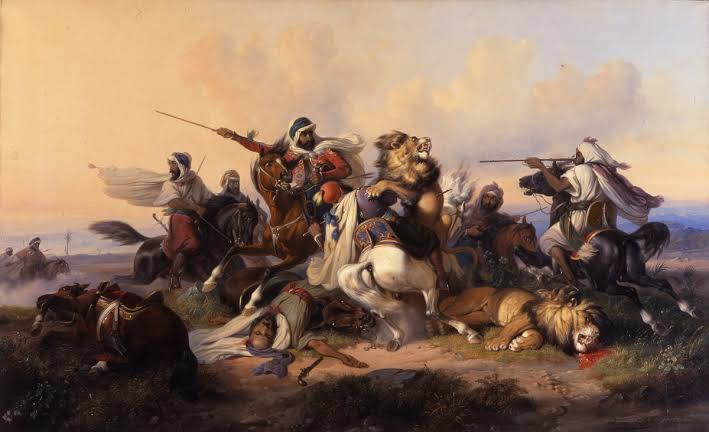
Sebuah lukisan karya Raden Saleh memecahkan rekor baru sebagai karya seni Indonesia termahal di pasaran pada lelang di Prancis pada hari Sabtu, ketika dijual seharga